We spend around 90% of our time indoors. Yet indoor air can be up to five times more polluted than outdoor air, with consequences for mental well-being, physical health, and cognitive abilities.
Di inquinanti ce ne sono vari, vediamo i principali e scopriamo una soluzione unica per ridurne la concentrazione in uffici, coworking, hotel e negozi.
CO2, Carbon Dioxide
Carbon dioxide is a substance that occurs naturally in the environment, but due to human activity it has reached concentrations that are harmful to both people and the planet. Carbon dioxide causes what we commonly refer to as “stale air,” and its concentration increases in the presence of many people and with the use of gas stoves .
In spaces with high levels of carbon dioxide, symptoms such as drowsiness and reduced attention are likely to occur, and the likelihood of accumulating other pollutants also increases
Particulate Matter (PM10 and PM2.5)
Particulate matter—commonly known as “fine dust”—consists of solid particles small enough to be inhaled and to settle inside our respiratory system, for example in the bronchi. Indoor particulate matter originates from vehicle exhaust that enters through windows and doors, food cooking (especially frying), candles and incense, printer toner, construction or renovation work, and cigarette smoke .
Breathing particulate matter causes irritation, worsens asthma and allergies, and increases the risk of respiratory or cardiovascular problems in the long term.

VOC, organic volatile compounds
Volatile organic compounds (VOCs) are substances suspended in the air. Among the most well-known are formaldehyde, acetone, toluene, and benzene. VOCs are among the main indoor pollutants and are primarily released by furniture and particleboard panels, fresh paints and varnishes, scented cleaning products, sprays, coatings, and certain flooring materials. Breathing air with high concentrations of VOCs often leads to headaches, irritation, drowsiness, reduced concentration, or, in the case of prolonged exposure, more serious chronic health risks.
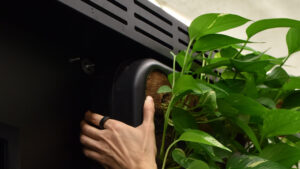
Natural air purifiers, such as Aura’s Breathing Green Walls , draw air toward a biofilter made up of plants and a patented substrate, which captures pollutants and—through phytoremediation processes involving plant roots and soil microorganism biofiltration—breaks them down. This also contributes to controlling noise levels, temperature, and humidity.
The result? Fresher air, reduced odors, and spaces that are healthier for the people who use them.
Discover Aura breathing green walls

Sphera
The stand-alone breathing green wall, available in Sphera and Sphera+ versions. Its installation is easy and does not require any structural intervention.
Discover SpheraRead also: