

A tidy, bright, and fresh-smelling home immediately creates a sense of cleanliness. However, a space that looks clean does not necessarily mean that the air we breathe is equally free from pollutants.
Every day, we carry out seemingly harmless activities that can contribute to the build-up of pollutants inside our homes. From simply preparing everyday meals to using common household cleaning products, many of our daily habits directly affect indoor air quality. Yet we are often not fully aware of the potential health risks.
What pollutants can be found in indoor air?
As widely confirmed by the World Health Organization (WHO), the air we breathe indoors can be up to 5 times more polluted more polluted than outdoor air. Although some pollutants enter from outside through doors and windows, a significant proportion is generated directly inside our homes, released by furnishings, household appliances, or everyday activities.
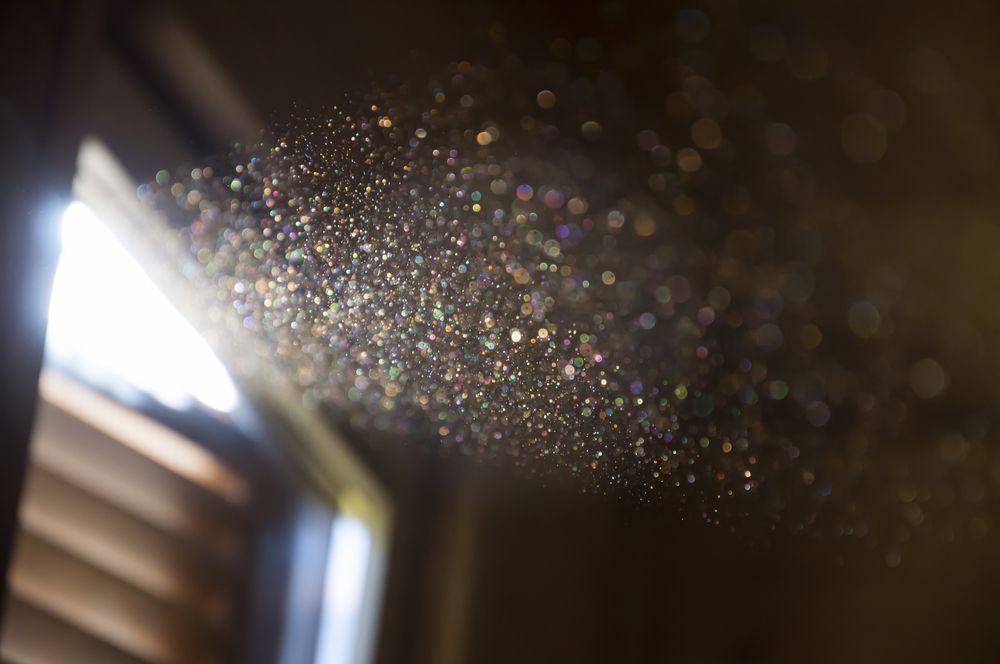
Among the main pollutants are fine particulate matter (PM2.5 and PM10), microscopic particles that can penetrate deep into the respiratory system, and Volatile Organic Compounds (VOCs), gaseous substances released by cleaning products, paints, adhesives, and synthetic furnishings. Other indoor pollutants include carbon monoxide (CO), an odorless and colorless gas produced by the incomplete combustion of gas stoves, heaters, and fireplaces, as well as biological contaminants such as mold, bacteria, and allergens, which can easily thrive in environments with high humidity and poor air circulation.
5 Everyday Habits That Worsen Indoor Air Quality
Although we may not often realize it, the air quality in our homes is largely affected by our everyday activities and habits. Recognizing them is the first step toward creating a healthier indoor environment.
1. Not Ventilating Indoor Spaces Regularly
Rarely opening the windows, or not opening them at all, prevents proper air exchange and gradually increases the concentration of indoor pollutants. Without regular ventilation, substances such as carbon dioxide (CO₂), VOCs, and particulate matter (PM) tend to accumulate and linger in the air, significantly reducing indoor air quality.
2. Frequently Using Harsh Cleaning Products
Cleaning with chemical sanitizers, cleaning sprays, and synthetic air fresheners can release large amounts of Volatile Organic Compounds (VOCs) into the air.
3. Cooking Without Proper Ventilation
Cooking, particularly when using gas stoves or high-temperature methods such as frying, grilling, and searing, releases large amounts of fine particulate matter, carbon monoxide, and volatile combustion by-products. Without consistently using an extractor hood or ensuring adequate ventilation, these fumes can build up and saturate the indoor air.

4. Frequently Burning Decorative Candles and Incense
Lighting paraffin-based scented candles, incense sticks, or flame-based diffusers may make your home smell pleasant, but it also immediately releases fine particulate matter, soot, and volatile chemicals into the air. This process can significantly affect indoor air quality by introducing combustion-related pollutants that continue to circulate and settle on surfaces and fabrics throughout the home.
5. Smoking Indoors
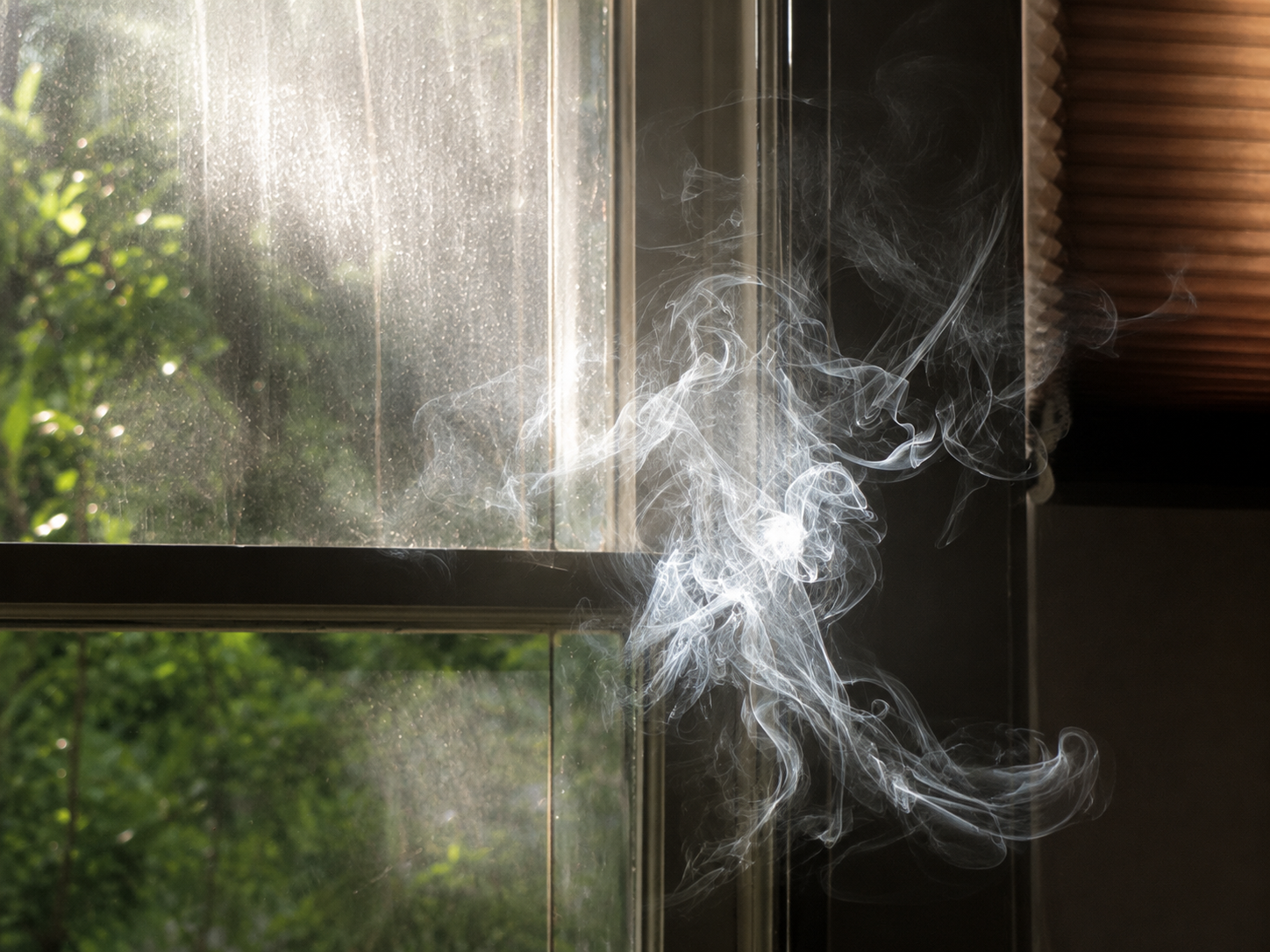
Tobacco smoke, electronic cigarettes, and vapes are among the most significant and persistent sources of indoor air pollution. While the combustion of traditional cigarettes releases extremely high levels of ultrafine particulate matter (PM2.5) and toxic substances, vaping liquids also releases aerosols containing nicotine, synthetic flavorings, and Volatile Organic Compounds (VOCs) into the air. In both cases, these residues do not simply remain in the air temporarily: they can settle on walls, sofas, curtains, and furnishings, continuing to release pollutants over time.
Taking Care of the Air You Breathe Is Easier Than You Think
We cannot avoid cooking, cleaning, or carrying out some of these everyday activities, but we can choose to integrate smart technological solutions that continuously and automatically tackle indoor pollutants, helping to keep indoor spaces healthy and safe at all times.
Aura’s natural air purifiers are designed precisely with this goal in mind, combining nature, technology, and design in an active purification system based on plant biofiltration. Aura’s green systems draw in air from the room and gently guide it through their biofilter, which combines Aura Mix, a patented natural substrate, with a selection of real plants. Within this small natural ecosystem, the plants and Aura Mix work together to capture and neutralize harmful substances, naturally and sustainably reducing concentrations of VOCs, CO₂, and particulate matter in the home.
Discover Aura solutions and start taking care of the air in the spaces you love, simply and naturally.
Discover Aura breathing green walls

Sphera
The stand-alone breathing green wall, available in Sphera and Sphera+ versions. Its installation is easy and does not require any structural intervention.
Discover SpheraRead also:






Aura System srl
Via Riccardo Pitteri 10, 20134, Milan, Italy
info@aurasystem.it
P.IVA 11366560966